




PayPal Freezes Kenyan Accounts Over New Compliance Checks
PayPal freezes Kenyan accounts as users face new identity, address, and payment checks that block access to funds.

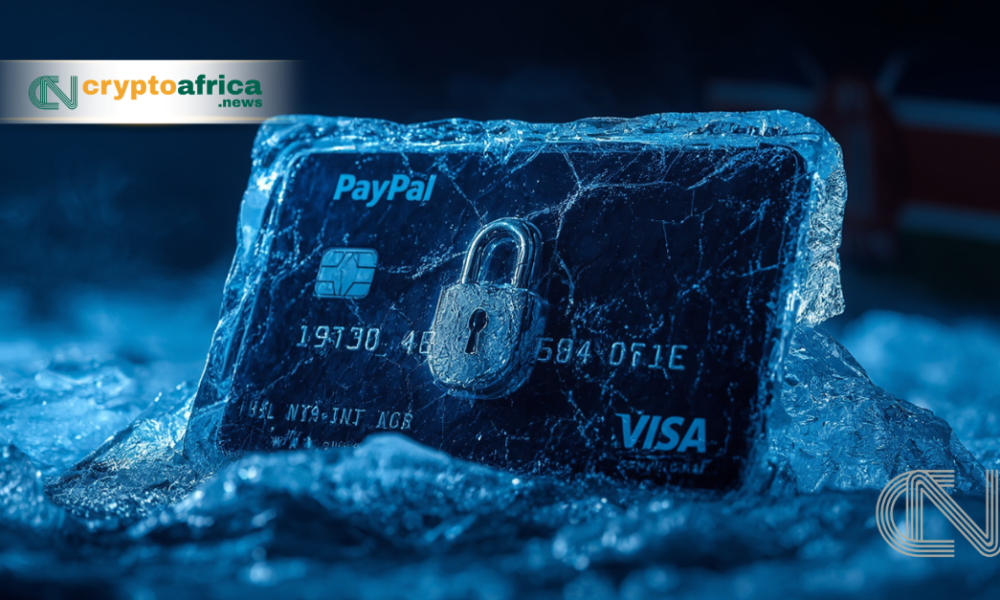
What to Know:
Table Of Content
- PayPal has restricted several Kenyan accounts after demanding identity, address, and payment documents from affected users.
- Freelancers, online sellers, startups, artists, and fundraisers cannot move funds while account reviews remain active.
- Kenyan users face challenges proving physical addresses because many neighborhoods rely on landmarks and informal directions.
- Kenya’s FATF grey list status has increased compliance pressure on payment firms handling cross-border transactions.
PayPal has restricted several Kenyan accounts after demanding fresh identity, address, and payment documents from users. The freeze has blocked access to funds for freelancers, online sellers, startups, artists, and fundraisers. The company has linked the checks to fraud control, account safety, and anti-money-laundering rules.
PayPal Demands More Documents From Kenyan Users
According to a report by Business Daily, PayPal has asked affected users to verify their identities, home addresses, and the sources of their foreign payments. The company has requested work contracts, bank statements, identity records, and proof of residence.
Users who fail to submit the required documents cannot send, receive, withdraw, or move their funds. PayPal may keep those restrictions in place for at least six months. The company can permanently close accounts that remain non-compliant for more than 6 months. In those cases, PayPal does not return the funds to the original sender. Affected users can still access their accounts and review balances or transaction records.
However, the accounts cannot process new payments while the restriction remains active. PayPal has told some users it may hold remaining balances for up to 180 days. The company says this period covers chargebacks, disputes, refunds, and other account liabilities. Even restored accounts may face future payment holds after the review ends. PayPal can hold later payments for up to 21 days before releasing them.
Address Rules Create Problems for Kenyan Account Holders
The physical address requirement has created one of the biggest barriers for Kenyan users. PayPal wants utility bills tied to formal home addresses, including power, water, gas, or internet bills. Many Kenyan neighborhoods do not use structured addresses in the same way as Western markets. Residents often rely on landmarks, estate names, nearby roads, and informal directions.
One affected user said Kenya relies on landmarks and informal street names for daily navigation. That makes it difficult for many users to provide formal address proof, even when their documents match. The problem has already affected users with verified work records. A Kenyan freelance writer lost access to $190 after receiving payment from a UK client.
He submitted his contract and matching identity documents during the review. However, PayPal permanently limited the account after he tried to withdraw the money. The restriction blocked access to about KES 24,500. PayPal cited “suspicious activity” when it limited the account, according to the affected user.
Kenya Grey List Status Adds Compliance Pressure
PayPal says it checks accounts to fight fraud, money laundering, and other financial risks. The company also screens users against government watch lists and reports suspicious transactions. The platform treats large payments and sudden account activity as possible risk signals. That rule can affect freelancers who receive new payments after quiet account periods.
Kenya has remained on the Financial Action Task Force grey list since February 2024. The status places the country under increased monitoring for financial crime control gaps. Payment firms and banks often apply stricter checks to grey-listed countries. PayPal’s current restrictions fit within that wider compliance pressure on Kenyan payment channels.
Kenyan users have reported similar PayPal problems in previous years. Complaints have included frozen balances, unexplained account limits, and long fund holds. A 2023 survey by entrepreneur Sam Gichuru found that many users faced long fund holds.
About 35% of respondents said PayPal held their money for more than six months. Kenyan users also faced a mass freeze after the PayPal-M-Pesa link launched in July 2018. The company later restored many accounts without a public explanation. PayPal processed $464 billion between January and March 2026.
It serves more than 439 million accounts worldwide, but it does not publish Kenya-specific user numbers. The company has no office in Africa and uses local partners for access. In Kenya, Equity Bank supports direct PayPal withdrawals, while Safaricom links PayPal with M-Pesa.