



WalletConnect Pay and Ezeebit Bring Crypto Checkouts to South Africa’s Hospitality Sector
The Checkouts will be deployed across 13 luxury properties under The Capital Hotel & Apartments group.


Table Of Content
TL;DR
- Partnering with regional gateway Ezeebit, WalletConnect Pay brings crypto and stablecoin payments to physical POS and online checkouts.
- The Checkouts will be deployed across 13 luxury properties under The Capital Hotel & Apartments group.
- Network fees are covered by default, removing user gas fees and eliminating manual wallet entry.
- WalletConnect is also offering 2% cashback on every payment, in $WCT tokens.
- South Africa ranks 9th in Chainalysis’s 2026 adoption index, with merchant stablecoin spending surging from under 2% to nearly 44% in 3 years.
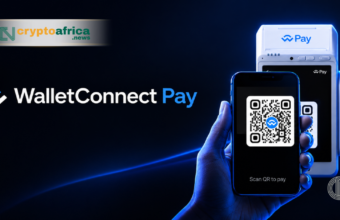
You can now pay for a hotel room with a crypto wallet at 13 locations in South Africa. Web3 infrastructure provider WalletConnect Pay has officially expanded into South Africa through a partnership with local crypto payment gateway Ezeebit.
The integration allows merchants to accept cryptocurrency and stablecoin payments at physical points of sale (POS) and online checkouts. The deployment begins in the hospitality sector with The Capital Hotel & Apartments group, bringing Web3 payment rails to 13 luxury hotel properties across South Africa.
How The Checkouts Work
For years, mainstream crypto payment adoption was hindered by user-experience hurdles. Users had to navigate high gas fees, manually copy wallet addresses, price slippage, and complex network switching. WalletConnect Pay and Ezeebit address these UX pain points directly at the checkout counter.
Guests checking into properties under The Capital group can choose to settle their bill in major dollar-pegged stablecoins like USDC and USDT. In an interview with The Paypers, WalletConnect Chief Revenue Officer Lewis Nurcombe said the goal is to make the payment system “feel as familiar as paying by card.”
He added that “network fees are covered by default, so the guest doesn’t need to hold a separate token just to pay them, which removes one of the most common points of friction in crypto payments.” Settlement is instant, and users even get a 2% cashback in $WCT, WalletConnect’s native token, with every purchase.
Why South Africa, Why Hotels, and Why Now
Crypto adoption in South Africa has surged. Chainalysis’s 2026 grassroots crypto adoption index ranks South Africa 9th globally. Business Insider reports that an estimated 7.8 million South Africans used a cryptocurrency platform in the first half of 2025. It is also the second-largest crypto market in Africa and arguably the one with the most advanced regulatory framework.
In addition, stablecoin spending on merchant networks like MoneyBadger grew from under 2% to nearly 44% of total transaction value in just three years. The report also found that cashback promotions, similar to what WalletConnect is offering, boosted spending by up to 35 times.
There is also a local connection. The Capital is a client of TurnStay, the South African travel payments startup that processed over $60 million in six months using stablecoins behind the scenes. TurnStay’s guests pay by card and never see crypto. WalletConnect Pay is the opposite model, where the crypto payment is visible. The same hotel group is now experimenting with both.
What merchants get
The main selling point is flexibility. Nurcombe told The Paypers that “businesses shouldn’t have to change how they run their finances to take a new payment method. Some want to hold stablecoins, whether as a hedge or because they already transact in them. Many want local currency in the bank, just as they get it today from card and cash payments. Letting each business choose means stablecoin and crypto payments fit into its existing treasury and accounting, without adding new risk or new complexity for the finance team.”
Merchants can elect to receive payouts directly in stablecoins or automatically off-ramp into South African Rand (ZAR). That matters because converting stablecoins into local money is often costly. Off-ramp costs can range from 1%- 4% per transaction, and many across Africa, including DCSPay and Kotani Pay, are trying to solve this problem.
While it is unclear how much WalletPay and Ezeebit will charge, Ezeebit has previously said its merchants pay a 1% fee.
The Road Ahead
Current details indicate that dollar and euro stablecoins will be supported in this system. However, it is unclear whether it will also support rand-backed options like ZARU or ZARsc. That remains to be seen.
South Africa is establishing a practical blueprint for crypto adoption across the continent. By eliminating technical friction like gas fees and wallet incompatibility, stablecoins are moving from digital safe havens to everyday checkout currencies.